
The One Rule That Matters Most
If a closing garage door can't stop and reverse the instant it touches something as light as a paper towel roll, it is not safe to have around kids or pets. That's the baseline test. The exceptions are doors built before auto-reverse safety sensors were standard, sensors that have been bumped out of alignment, or sensors that someone has unplugged or taped over because they were "acting up." A disabled safety sensor is worse than no sensor at all, because everyone in the house assumes the door is protecting them when it isn't.
What Actually Goes Wrong
Most garage door injuries to children and pets fall into a short list of patterns, and they're almost always preventable once you know what to look for.
- Auto-reverse failure: The photo-eye sensors near the bottom of the tracks get knocked out of alignment by a bike, a stray basketball, or a pet brushing past. The door still closes, but it no longer detects an object underneath it.
- Pinch points along the panel sections: Older doors, especially ones without finger-safe hinge designs, can pinch small fingers at the seams between panels as the door moves.
- Remote access by kids: A wall button mounted low enough for a toddler to reach, or a garage remote left in an unlocked car, means a child can trigger the door without an adult around.
- Pets near the tracks during operation: Dogs and cats often dart toward the garage when they hear the door start moving, which puts them directly in the door's path at the worst possible moment.
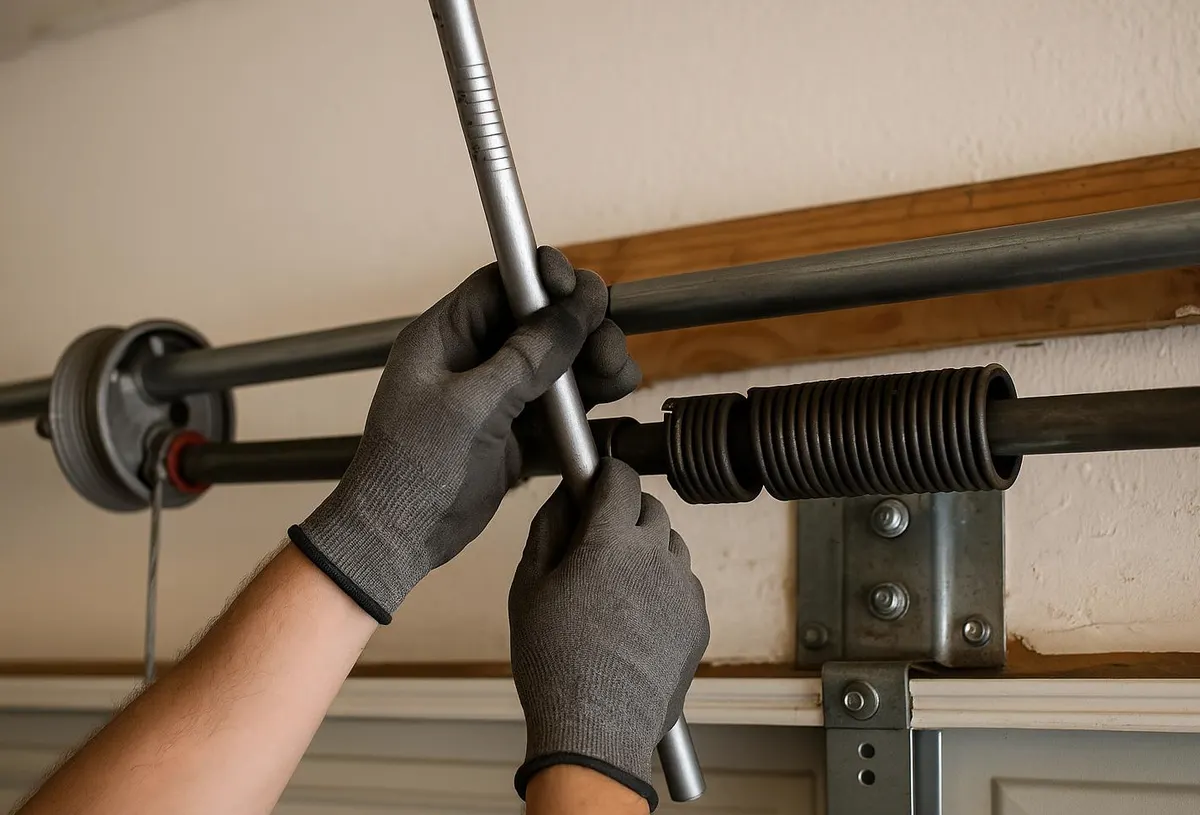
- Spring failure: A worn torsion or extension spring can snap under tension, and a door can drop suddenly if the spring and cables aren't holding it properly. This is less about pinching and more about a heavy object losing controlled support.
How Bad It Can Get
These aren't abstract risks. A door that doesn't auto-reverse can cause broken bones or worse to a small child or pet caught underneath. A pinched finger at a panel seam can mean a trip to urgent care. A spring that fails without warning can drop a door that weighs well over a hundred pounds in a fraction of a second, with no time for anyone to react. The common thread in almost every serious incident is that a safety feature existed and simply wasn't working that day — the sensor was misaligned, the spring was overdue for replacement, or the remote was somewhere it shouldn't have been.
Specific Actions That Prevent It
None of this requires special tools or deep mechanical knowledge. It requires a few minutes a month and some household habits.
Test the safety reverse monthly
- Place a roll of paper towels or a 2x4 flat on the ground in the door's path.
- Close the door using the wall button or remote.
- Confirm the door reverses immediately on contact. If it doesn't stop and reverse, stop using the opener and have it serviced before anyone uses that garage again.
Check the photo-eye sensors
Look at the two small sensor units mounted a few inches off the floor on either side of the track. They should be facing each other directly, with steady (not blinking) indicator lights. Dust, cobwebs, or a sensor that's been nudged out of alignment are the most common reasons a door stops reversing properly — and in dry, dusty stretches of the year, dust buildup on the lenses is worth checking more often than you'd think.
Secure the controls
- Mount wall-mounted openers at least five feet up, out of a toddler's reach.
- Never leave a garage remote in an unlocked vehicle parked in the driveway.
- Set up rolling codes if your opener supports them, so an old universal remote can't accidentally trigger your door.
Keep pets and kids clear during operation
Make it a house rule that no one — two-legged or four-legged — crosses the threshold while the door is moving. For households with dogs that bolt toward the garage at the sound of the opener, a baby gate across the interior doorway during the few seconds the door is in motion solves the problem entirely.
Don't ignore spring wear
Springs have a service life measured in cycles, not years, and a door used daily by a family wears through that lifespan faster than one used occasionally. Listen for grinding or popping sounds, watch for a door that feels heavier than usual when operated manually, or notice if the door looks uneven when it's halfway open. These are signs a spring is close to failing, and replacing it before it breaks is far safer than dealing with a sudden drop.
A Seasonal Note for Fall
As San Diego moves out of the dry season and into winter rain, it's worth doing this safety check now rather than waiting. Dust and wildfire smoke residue from late summer and early fall can settle on sensor lenses and in track hardware, and the first real rain tends to expose electrical connections and worn weatherstripping that have been fine all summer. If your home has had earthquake retrofit work done, it's also a good time to confirm the garage door hardware and bracing weren't affected, since structural changes nearby can sometimes shift how a door sits in its tracks.
When to Call San Diego Garage Door
If your sensors won't hold alignment, if the door hesitates or reverses unpredictably, or if you've spotted spring wear, don't wait for a full failure to deal with it. Our Opener Repair & Installation service covers sensor alignment, wiring issues, and worn opener components that affect auto-reverse function, and our Spring Replacement service handles the part of the system most likely to fail suddenly and without warning. We also offer regular Garage Door Maintenance visits, which are the easiest way to catch these issues before they become safety problems for your kids or pets.
If you're in San Diego, Clairemont, Kearny Mesa, Mira Mesa, Poway, La Jolla, El Cajon, or Chula Vista and it's been a while since your garage door's safety features were checked, call San Diego Garage Door today and get it done right before the rainy season settles in.